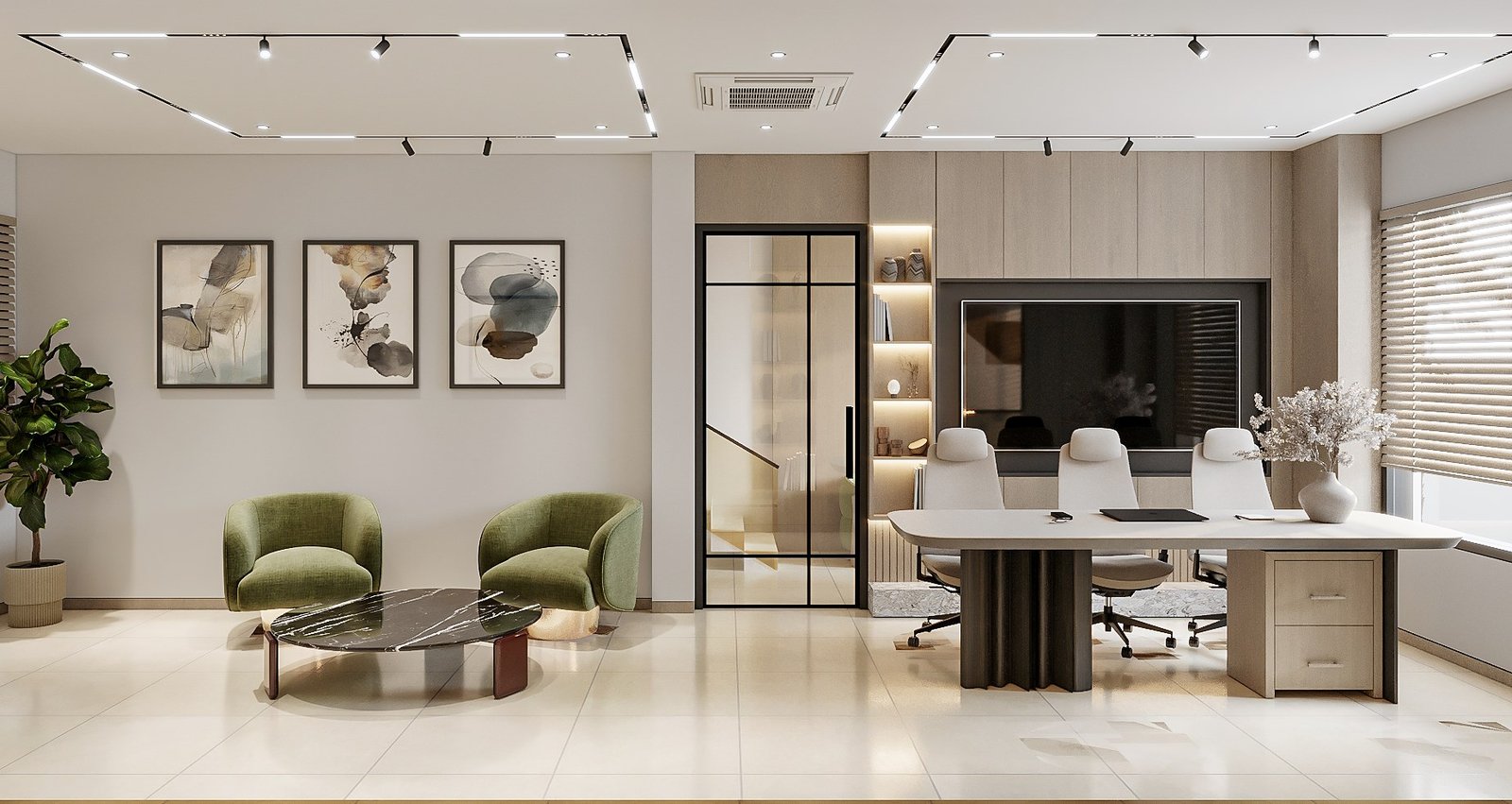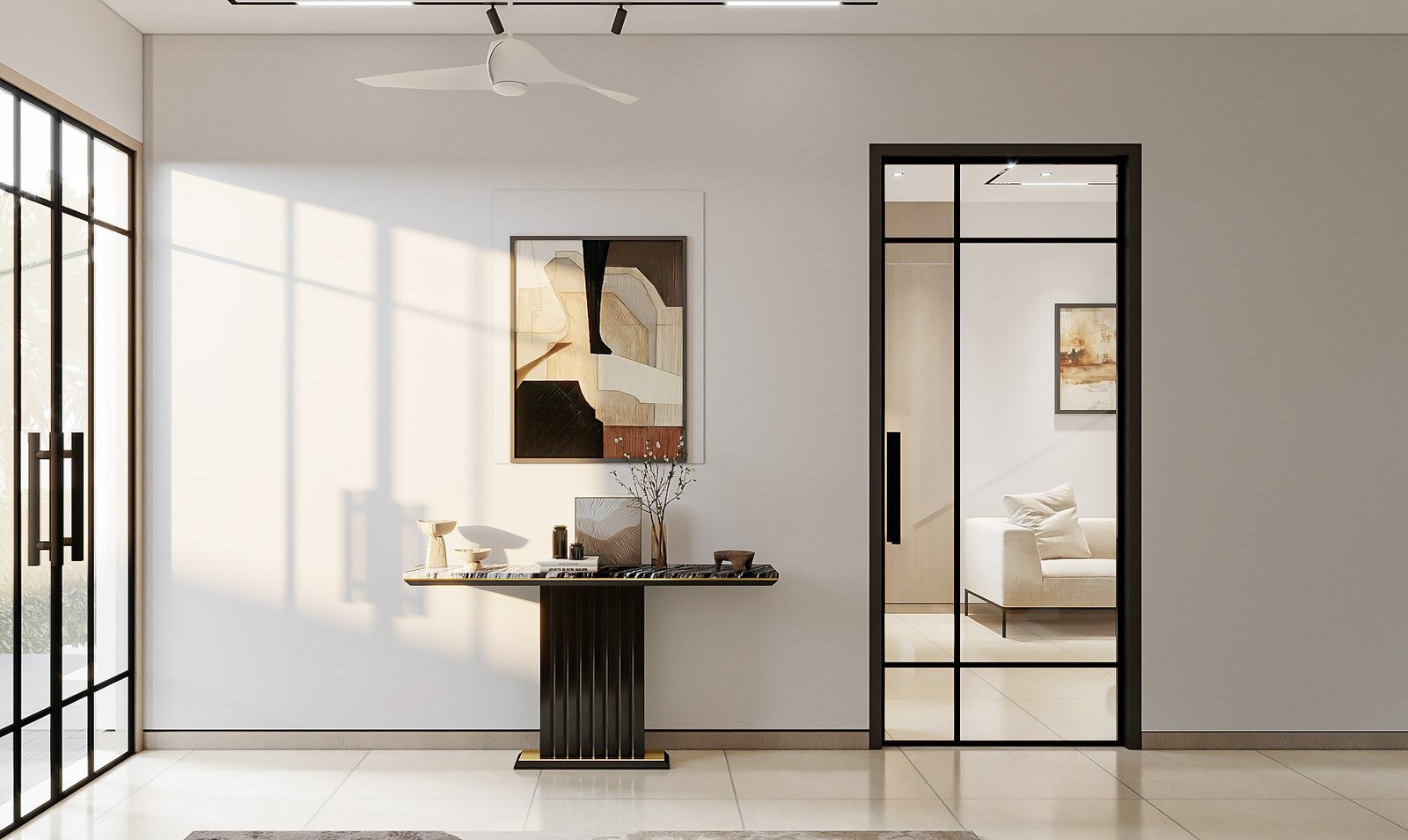
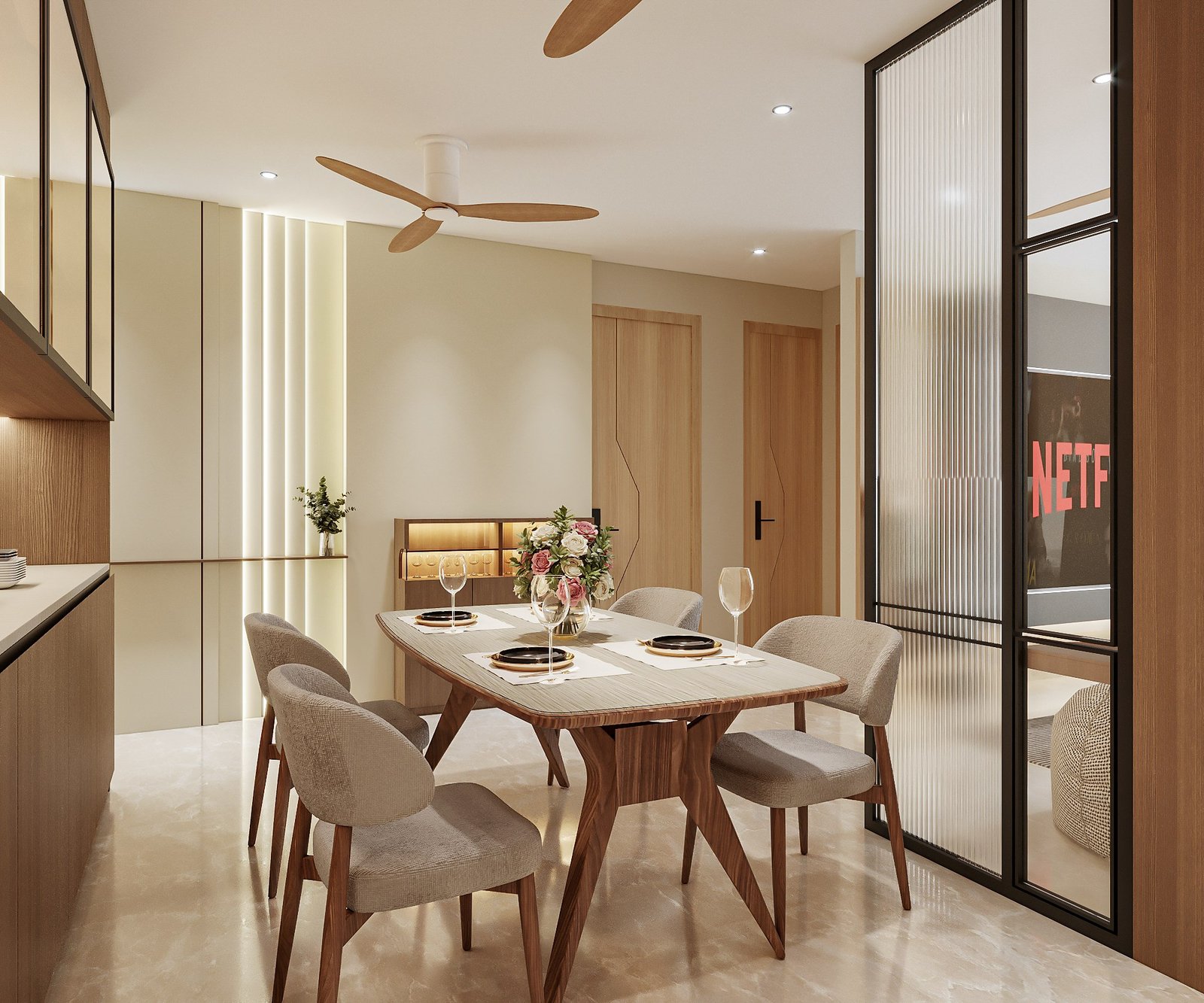
Start with what happens in the room
Before choosing a sofa, write down what your living room needs to do. Is it mainly for conversation, watching films, reading, working or all of these? Think about a typical weekday as well as a gathering with guests. The useful layout is the one that supports those patterns without asking you to rearrange the room every evening.
Draw the routes before the furniture
Mark the doors, windows and the routes people take through the space. A seating arrangement can look convincing in a photograph and still interrupt a frequently used path. On your own plan, test whether someone can enter, sit down and reach the next room comfortably. Use furniture dimensions rather than relying on how small an item appears in a showroom.
Give each piece a reason to be there
A coffee table, side table and console may all be useful, but their functions can overlap. Begin with the essential pieces, then add what solves an actual need. A side table beside a reading chair may be more useful than a large decorative surface elsewhere. Leaving space between objects helps the pieces you keep feel more deliberate.
Think about the evening version
Daylight changes how a room feels, but much of family life happens after sunset. Consider where you need reading light, softer background light and illumination for a task. Try to avoid making one bright ceiling fitting responsible for every mood. The location of sockets and switches should be part of the early discussion, not an afterthought once furniture arrives.
A useful test before committing
Mark the footprint of your main pieces on the floor with removable tape. Walk around them and test the view from the seats you expect to use most. This simple exercise often reveals proportions more clearly than another saved reference image. A designer can then help refine the layout around the actual site, dimensions and brief.
SAMPLE EDITORIAL · 4 min read
Discuss your own space ↗