Describe the problem in your own words
You do not need a finished design brief to speak with a designer. Start with what is not working and what you would like to change. Perhaps storage is difficult, the shared spaces feel disconnected or the home needs to support working from home. Real examples explain your priorities better than a long list of style labels.
Bring the information you already have
A floor plan, basic dimensions, current photographs and the site location are useful starting points. If you do not have all of them, say so. Share any building-management conditions, access restrictions or known site concerns. Clear information helps everyone distinguish between a design preference and a condition that needs to be investigated.
Discuss budget and scope together
A budget conversation becomes more useful when you clarify what it includes. Design fees, furniture, finishes, appliances and execution may sit in different parts of the overall plan. Explain your priorities and where you can be flexible. The aim is to establish a workable scope, not to promise a precise total before the requirements are understood.
Use references to explain, not prescribe
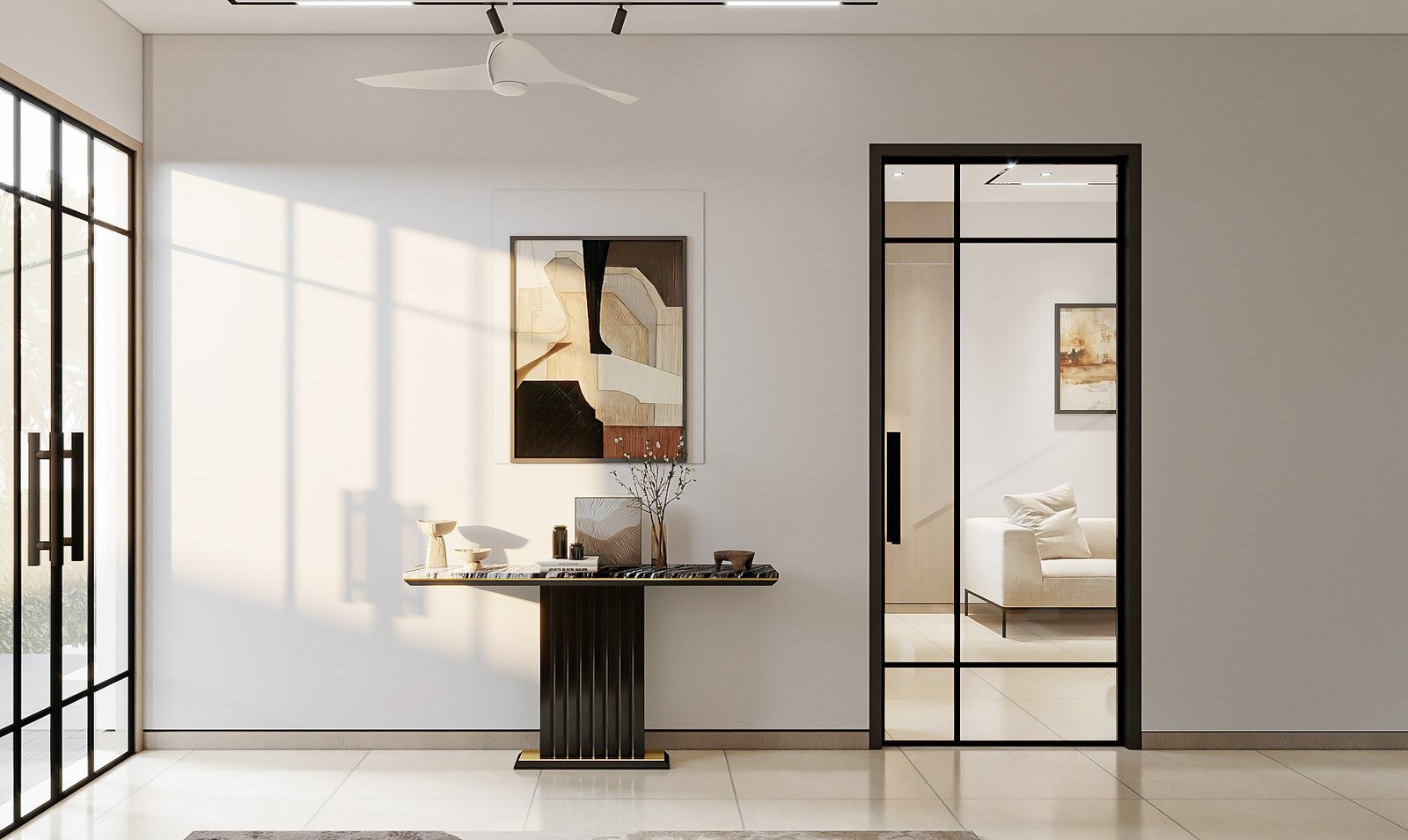
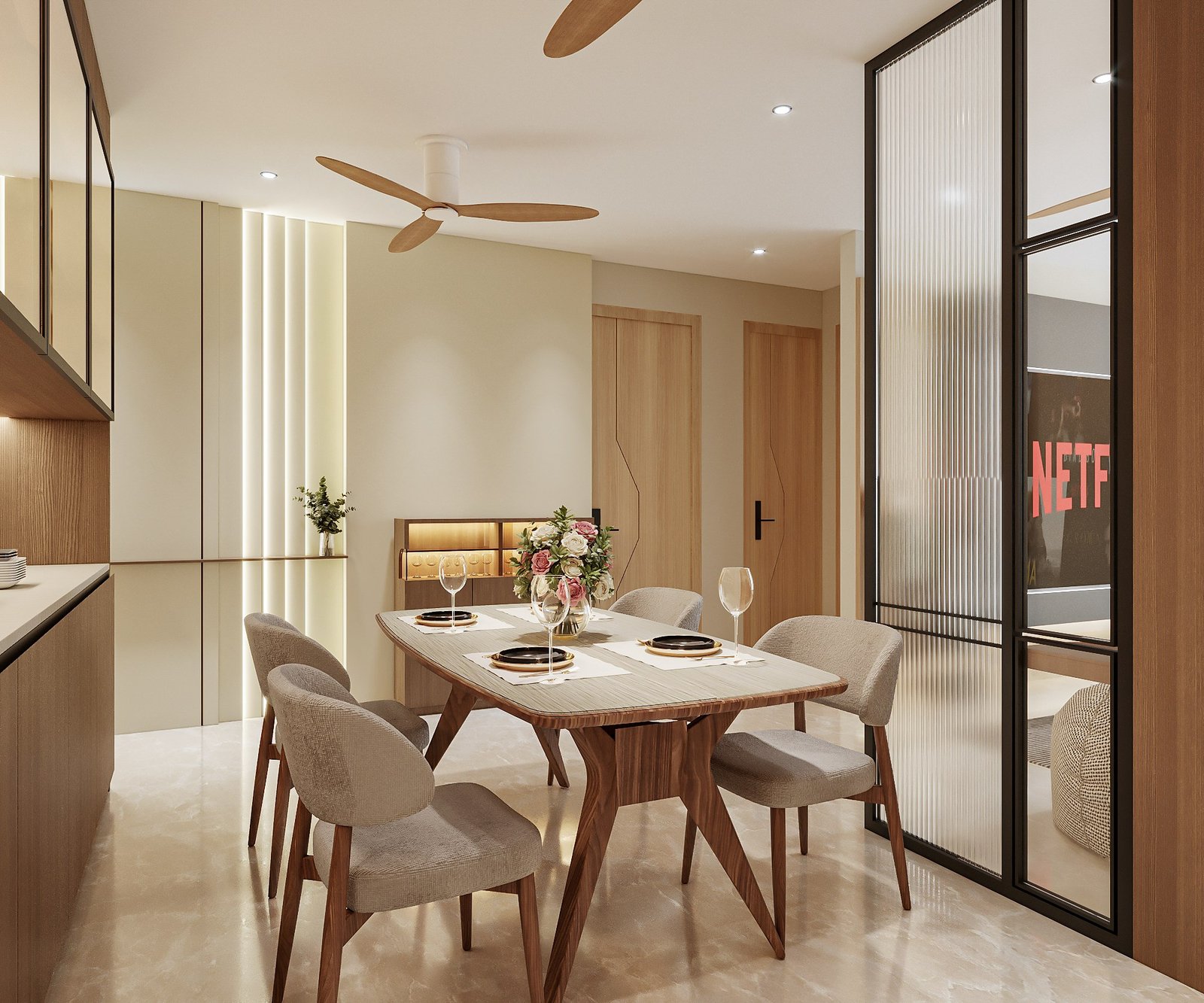
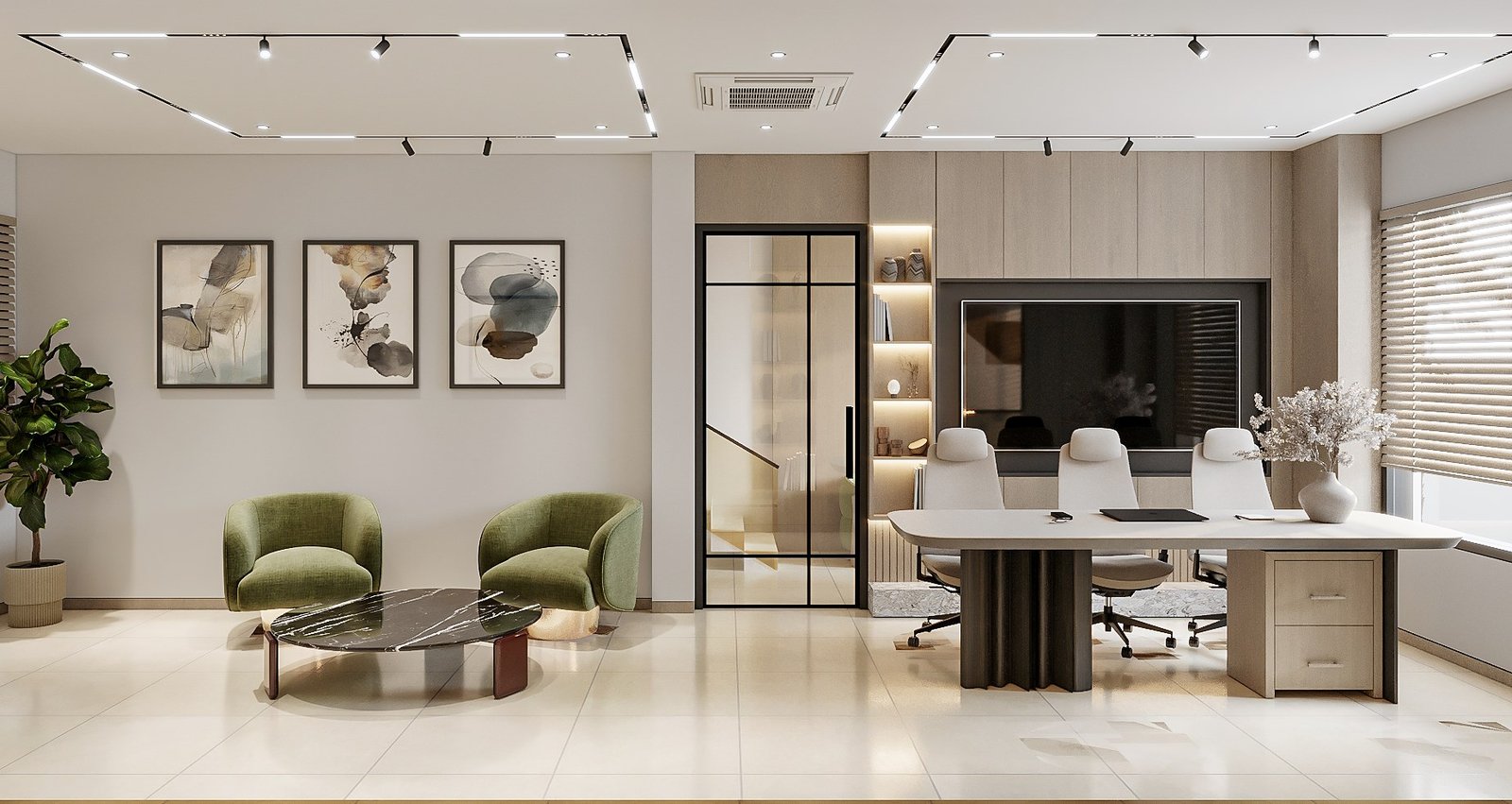
Choose a small selection of images and describe what you like in each one. It could be the light, the layout, the timber colour or the feeling of openness. Different images may contain conflicting ideas, and that is fine: discussing those differences helps a designer identify the underlying preference.
Leave with a clear next step
At the end of the discussion, confirm what information is still needed, what a proposal would cover and how the next stage will be agreed. Ask about deliverables, approvals and responsibilities. A useful first conversation should leave you with a clearer understanding of the process, even if the design itself is still open.
SAMPLE EDITORIAL · 3 min read
Discuss your own space ↗